
If you’ve noticed your earrings sitting lower than they used to or your piercing hole looking wider, this article is for you. Many people dismiss small changes in the earlobe at first, assuming it’s just normal aging or years of wearing jewelry. But gradual stretching can eventually lead to visible tearing, asymmetry, or even a fully split earlobe. Specialists who perform earlobe repair often see patients who wish they had recognized the warning signs earlier, before the damage became more severe. In this article, you’ll learn the signs of earlobe damage, why piercing holes get bigger, and when repair may be worth considering.
Why Piercing Holes Stretch Over Time
Earlobe damage does not happen overnight. In most cases, stretching occurs gradually over months or even years due to repeated tension on delicate tissue. The earlobe may look normal at first, but subtle structural changes often begin long before a tear becomes obvious.
Common causes include:
- Heavy earrings
- Frequent pulling or snagging
- Age-related skin thinning
- Reduced collagen and elasticity
Over time, the tissue weakens and becomes less able to support weight. That’s when stretching starts becoming visible.
Sign 1: Your Earrings Sit Lower Than Before
This is often the earliest warning sign. You may compare older photos and notice your earrings no longer sit centered in the lobe. Instead, they appear closer to the bottom edge. This usually means the piercing channel has begun to elongate.
At this stage, many people still don’t realize damage is happening because there’s no pain. But visually, the earlobe is already changing.
Sign 2: The Piercing Hole Looks More Like a Slit
A healthy piercing usually appears as a small, round opening. As the tissue stretches, that round shape often becomes:
- Oval
- Vertical
- Slit-like
This indicates the surrounding tissue is under chronic stress. The longer this continues, the thinner the remaining tissue becomes. That increases the risk of tearing.
Sign 3: Earrings Feel Less Secure
Have you noticed earrings tilting forward or feeling loose? That can happen when the piercing hole widens enough that jewelry no longer sits properly. You may feel like:
- Studs droop forward
- Hoops shift unevenly
- Earrings move more than before
This often signals structural weakening rather than just jewelry fit issues.
Sign 4: One Earlobe Looks Different From the Other
Earlobe damage is not always symmetrical. Sometimes only one side stretches more due to:
- Sleeping habits
- Hand dominance
- Heavier jewelry worn on one side
- Past trauma or pulling
You may notice one earring hangs lower or one lobe looks longer. A small asymmetry can become more noticeable over time.
Sign 5: The Bottom of the Earlobe Looks Thin
This is a sign you should not ignore. As the piercing hole stretches downward, less tissue remains between the hole and the bottom edge of the earlobe. When this bridge becomes very thin, the risk of complete splitting rises significantly. Think of it like worn fabric once too much material is lost, tearing becomes much easier.

Can a Stretched Piercing Hole Shrink Back?
This is a common question. Mild stretching may improve if heavy earrings are avoided early enough. However, once the tissue has significantly stretched, the skin typically does not fully tighten on its own. This is especially true when collagen loss from aging is involved. In other words, prevention helps, but reversal is limited.
When Stretching Turns into a Torn Earlobe
There isn’t always a dramatic moment. Sometimes a torn earlobe develops slowly until the piercing channel nearly reaches the edge of the lobe. Other times, a sudden pull causes full splitting. At that stage, the tear becomes visibly noticeable, and repair usually requires surgery. This is why early intervention matters.
Can Earlobe Damage Be Fixed?
Yes. Earlobe repair surgery can correct:
- Partial tears
- Fully split lobes
- Enlarged piercing holes
- Elongated or stretched tissue
The procedure involves carefully removing damaged tissue and reshaping the lobe for a more natural appearance. At Stanwix, earlobe repair is performed with careful attention to symmetry and scar placement so the repaired lobe looks balanced and natural.
Waiting Can Make Repair More Difficult
Many patients wait because the damage does not seem bad enough yet. But larger tears often mean:
- More tissue loss
- More reshaping required
- Greater ear asymmetry
- More complex repair
Treating the issue earlier can preserve more natural tissue and simplify correction.
Tips to Prevent Further Damage
If you’re noticing early stretching, small changes now can help. Consider:
- Wearing lighter earrings
- Avoiding overnight jewelry use
- Limiting heavy statement earrings
- Being careful with clothing and towels
These habits reduce additional stress on vulnerable tissue.
Small Changes Often Signal Bigger Problems
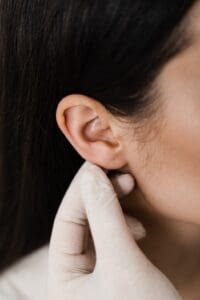
A piercing hole that looks slightly larger may not seem urgent, but it often marks the beginning of progressive earlobe damage. What starts as minor stretching can eventually lead to thinning tissue, asymmetry, or complete tearing.
The good news is that early signs are often visible before major damage occurs. Paying attention to those subtle changes can help you decide whether prevention is enough or whether repair may be the better long-term solution. If you’re noticing stretched or damaged earlobes in Richmond or the surrounding areas, a professional evaluation can help determine the best next step before the problem worsens.
At Stanwix Plastic Surgery, you’ll receive expert care from a board-certified surgeon who understands both the functional and cosmetic aspects of earlobe repair. Schedule a consultation today to learn how Dr. Stanwix can help restore your confidence with earlobe repair surgery. Call us at 804-724-7244 to schedule your private consultation today or request your appointment online.