
Stomach Still Sticking Out After Weight Loss? Here’s Why
Losing significant weight can be a huge accomplishment. You may have worked hard to lose weight, changed your diet, and exercised consistently, yet your stomach still sticks out or looks loose and uneven. It’s frustrating, especially when you’re doing everything right but can’t seem to flatten your abdomen. The reason may not be more weight.
Loose skin, stubborn pockets of fat, separated abdominal muscles, and changes from pregnancy can all affect the shape of your stomach. Keep reading to understand what’s actually causing the stomach to stick out after losing weight and how a tummy tuck surgery in Richmond can help.
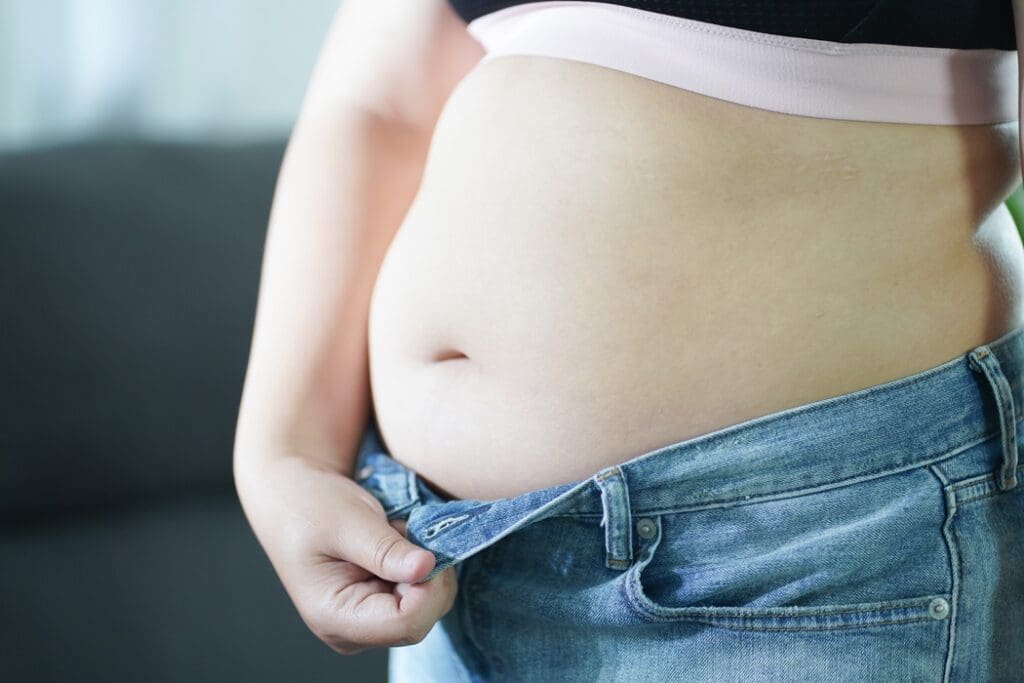
Understanding Why Stomach Sticks Out after Weight Loss
Weight loss doesn’t affect every layer of the abdomen in the same way. When you gain weight, your skin stretches to accommodate the increased volume. After significant weight loss, the underlying fat may decrease substantially while the skin doesn’t always shrink to the same extent. You may end up with a stomach that is considerably smaller than it used to be but still has:
- Loose or hanging skin
- A small amount of stubborn abdominal fat
- A lower-abdominal bulge
- Stretch marks
- A rounded or uneven contour
- Separated abdominal muscles
So, if you’ve lost the weight and your stomach still isn’t as flat as you expected, it doesn’t necessarily mean you need to lose more. Sometimes, the issue isn’t your weight anymore. It’s the tissue that’s left behind.
Loose Skin Can Make Your Stomach Look Bigger
Loose abdominal skin can make your stomach look protruding even when there isn’t much excess fat underneath. This is especially common after substantial weight loss. The skin may hang over the lower abdomen or pubic area, or it may fold when you sit down. Some people describe it as a pooch, while others notice a lower-abdominal apron of skin.
Unfortunately, exercise can’t remove loose skin. Building abdominal muscles can strengthen them, but it won’t make excess skin disappear. Similarly, losing additional weight may actually make the loose skin more noticeable rather than solving the problem. This is one reason it’s important to distinguish excess skin from excess fat before deciding what treatment makes sense.
Some Belly Fat Remains After Weight Loss
Weight loss can significantly reduce abdominal fat, but some pockets may remain. Genetics plays a role in where your body stores fat and where it tends to lose it first. You might notice that your arms, legs, or face became noticeably slimmer while a small amount of abdominal fat remained stubborn.
If localized fat is the main concern and your skin has good elasticity, liposuction may sometimes be an option. But liposuction doesn’t treat loose skin or separated abdominal muscles. Removing fat without addressing excess skin can leave some patients disappointed with the final contour. That’s why the underlying cause matters.
Pregnancy Can Be the Reason Your Stomach Still Protrudes
Pregnancy can stretch not only the skin but also the abdominal wall. In some women, the two sides of the abdominal muscles separate during pregnancy, a condition known as diastasis recti. Even after losing pregnancy weight, this separation can contribute to a persistent abdominal bulge. You may notice that your stomach:
- Looks rounded even when you’re relatively lean
- Bulges more when you sit up or tense your abdomen
- Has a soft or loose appearance around the midsection
- Doesn’t respond as expected to abdominal exercises
If you’ve experienced this, more crunches alone may not solve the underlying problem.
Exercise May Not Completely Flatten Your Stomach
Exercise is still valuable for your overall health and fitness, but it has limits when it comes to excess skin and certain structural changes. Strength training can build the abdominal muscles and improve your overall body composition. It may also reduce some remaining fat if you’re continuing to lose weight.
But exercise cannot:
- Remove significant excess skin
- Directly eliminate stretch marks
- Reattach separated abdominal muscles
- Reshape loose skin after major weight loss
This distinction can save you a lot of frustration. If you’ve spent months doing abdominal workouts and your stomach still looks loose or protruding, it doesn’t necessarily mean you’re doing the exercises incorrectly. Your anatomy may simply be limiting what exercise can change.
How a Tummy Tuck Can Help
A tummy tuck or abdominoplasty addresses some of the problems that weight loss and exercise cannot fully correct. During a tummy tuck, surgeons can remove excess abdominal skin and tighten the abdominal wall when muscle separation or laxity is present. The remaining skin is then repositioned to create a smoother abdominal contour. For someone who has lost a significant amount of weight, this can make a substantial difference in the abdomen’s appearance. A tummy tuck isn’t a weight-loss procedure. Instead, it’s a body-contouring procedure intended to reshape the abdomen after changes such as pregnancy or significant weight loss.
Generally, tummy tuck candidates should be relatively close to their desired weight and, ideally, have maintained a stable weight for a period of time. If you still expect to lose a significant amount of weight, waiting may make sense. Further weight loss after surgery can change your results and potentially create additional loose skin.
It’s also worth considering future pregnancies. Pregnancy can stretch the abdominal skin and muscles again, so women who are planning additional pregnancies may want to discuss timing with their surgeon.
Concerns Tummy Tuck can Address
Depending on the patient’s anatomy and surgical plan, it may address:
Excess skin: Skin that has lost elasticity after pregnancy or major weight loss can be removed.
Abdominal muscle separation: When appropriate, the abdominal wall can be repaired and tightened.
Lower abdominal contour: Removing excess tissue can create a smoother transition across the lower abdomen.
The belly button: Because the abdominal skin is repositioned, the belly button may also be repositioned as part of a full tummy tuck.
At Stanwix Plastic Surgery in Richmond, Dr. Stanwix evaluates each patient’s anatomy and goals individually rather than assuming every post-weight-loss abdomen needs the same procedure. With extensive plastic surgery training at Johns Hopkins Hospital and board certification in plastic surgery, he can help patients understand whether a tummy tuck, liposuction, another approach, or no surgery at all makes the most sense.
Schedule Your Tummy Tuck Consultation in Richmond
If you’re considering a tummy tuck in Richmond, Charlottesville, Williamsburg, or anywhere in Central Virginia and want expert care with personalized attention, contact us today at 804-724-7244 to schedule your private consultation with Dr. Stanwix. Let’s talk about your goals, your concerns, and how we can help you move forward with more confidence than ever.
FAQs
Why does my stomach stick out even though I’m skinny?
A protruding abdomen isn’t always caused by excess body fat. Loose skin, abdominal muscle separation, genetics, posture, bloating, and localized fat can all contribute to a protruding stomach.
Can you have a flat stomach after losing a lot of weight?
Potentially, but it depends on your skin elasticity, abdominal muscles, fat distribution, and other individual factors. Significant weight loss can leave excess skin that diet and exercise cannot remove.
Can exercise get rid of loose stomach skin?
No. Exercise can strengthen the underlying muscles and improve fitness, but it cannot remove significant excess skin. Body-contouring procedures such as a tummy tuck may be considered when loose skin is substantial.
Does a tummy tuck help after major weight loss?
Yes. Tummy tucks are commonly used for body contouring after significant weight loss. They can remove excess abdominal skin and, when appropriate, address abdominal muscle laxity.
How do I know whether I need liposuction or a tummy tuck?
It depends on what is causing the contour concern. Liposuction primarily addresses excess fat, while a tummy tuck focuses on excess skin and can address abdominal wall laxity. Some patients may benefit from a combination of techniques.