
Many men feel confused or even frustrated when their chest doesn’t respond to diet or exercise, especially when the rest of their body does. Some assume it’s just stubborn fat, while others worry something deeper might be going on. Specialists who treat gynecomastia see this pattern often and help patients uncover what’s actually driving the issue beneath the surface. In this article, you’ll learn the hidden role of hormones in gynecomastia and why understanding them is key before choosing any treatment.
Gynecomastia is not Just Fat
Gynecomastia is not simply excess fat. It’s the development of actual glandular breast tissue in men. That growth is almost always linked to hormonal imbalance, specifically between testosterone and estrogen.
Men naturally produce both hormones. However, when that balance changes, even slightly, it can trigger breast tissue growth that doesn’t go away on its own.
The Testosterone – Estrogen Balance in Men
Think of testosterone and estrogen as opposing forces. Testosterone supports:
- Muscle development
- Fat distribution
- Masculine physical traits
Estrogen, while present in small amounts in men, influences fat storage and breast tissue growth. When testosterone drops, or estrogen rises, the ratio changes, and the body responds. Even if estrogen levels are normal, a relative imbalance can still cause gynecomastia.
Causes of Hormonal Imbalance in Men
This is where things get more complex and more personal.
1. Natural Hormonal Changes (Age-Related)
Hormones fluctuate throughout life. In puberty, temporary gynecomastia is common. When a person ages, testosterone gradually declines.
Many men in their 30s, 40s, and beyond notice subtle changes in their chests without realizing that hormones are shifting in the background.
2. Medications and Supplements
This is one of the most overlooked causes. Certain medications can disrupt hormone balance, including:
- Anabolic steroids
- Testosterone therapy (especially improper use)
- Antidepressants
- Blood pressure medications
- Anti-androgens
Ironically, some men trying to boost testosterone end up triggering estrogen conversion, worsening gynecomastia.
3. Body Fat and Estrogen Conversion
Fat tissue plays a direct role in hormone balance. The more body fat present, the more testosterone is converted into estrogen through a process called aromatization.
This creates a cycle of more fat, estrogen, and more gland growth, which is harder to reverse. This is why weight loss helps some men, but not all.
4. Underlying Medical Conditions
In some cases, gynecomastia signals a deeper issue. Conditions that may affect hormones include:
- Thyroid disorders
- Liver disease
- Kidney dysfunction
- Tumors affecting hormone production
These cases are less common, but they highlight why proper evaluation matters.
Exercise Alone Doesn’t Fix Hormonal Gynecomastia
Exercise reduces fat, but it does not remove glandular tissue. If hormones have already triggered tissue growth, workouts won’t reverse it. This is often the moment men realize the issue isn’t just physical, it’s biological.
Can Hormones Be Fixed Naturally
If gynecomastia is recent and linked to a temporary imbalance, lifestyle changes may help:
- Improving sleep
- Reducing alcohol intake
- Managing stress
- Adjusting medications (under medical guidance)
However, once glandular tissue is established, correcting hormones alone usually won’t remove it. If gynecomastia has been present for over a year, the tissue often becomes fibrous and stable. At that stage, hormones may no longer be the active cause. They were the trigger, but not the current driver. This is why some men normalize their hormone levels but still see no physical change.
When Surgery Becomes the Only Reliable Solution
For persistent gynecomastia, surgery is the only method that completely removes glandular tissue. This typically involves direct gland removal, liposuction (if fat is present), and contouring to achieve a natural chest shape.
At Stanwix, treatment is based on identifying both the cause and the composition of the chest fat, gland, or skin. This ensures results look natural rather than overcorrected or uneven.
Hormonal Evaluation is Important before Surgery
Even if surgery is the solution, understanding hormones is still important, because an untreated hormonal imbalance can lead to:
- Recurrence
- Ongoing symptoms
- Incomplete results
A good treatment plan looks at both structure and biology, not just what’s visible.
The Psychological Side
Gynecomastia isn’t just physical. It affects:
- Clothing choices
- Confidence at the gym
- Posture (many men subconsciously hunch)
- Social situations
Some men avoid fitted shirts for years. Others skip activities like swimming altogether. Understanding the cause, especially when it’s hormonal, often brings relief. It explains why effort alone didn’t fix it.
Conclusion
Gynecomastia is often the result of underlying hormonal shifts that many men never realize are happening. Whether it’s age, lifestyle, medication, or biology, the root cause matters more than most people think. Once you understand that hormones play a central role, the frustration starts to make sense.
It explains why workouts didn’t work, why weight loss didn’t fully fix it, and why the issue persisted. If you’re dealing with persistent chest fullness and want clear answers, a professional evaluation can help determine whether hormones, tissue, or both are involved.
If you’re considering male breast reduction or gynecomastia surgery in Richmond, VA, schedule a consultation with Stanwix Plastic Surgery to discuss ways to discuss your options and support lifelong wellness.
FAQs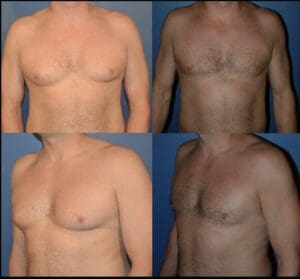
What hormone causes gynecomastia in men?
An imbalance between testosterone and estrogen primarily causes gynecomastia. When estrogen levels rise or testosterone drops, breast tissue can begin to develop. Even small shifts can trigger changes in some men.
Can low testosterone cause gynecomastia?
Yes, low testosterone is a common contributing factor. When testosterone decreases, estrogen can have a stronger effect on the body. This imbalance can lead to the development of glandular breast tissue.
Will gynecomastia go away if hormones are balanced?
If caught early, hormonal correction may reduce symptoms. However, once glandular tissue has formed and stabilized, it usually does not disappear on its own. Balancing hormones may stop progression, but won’t reverse existing tissue.
How do I know if my gynecomastia is hormonal?
A medical evaluation, including blood tests, can help determine if hormones are involved. Symptoms like tenderness, recent growth, or other hormonal signs may indicate an imbalance. However, long-standing gynecomastia may no longer be hormonally active.
Can weight loss fix hormone-related gynecomastia?
Weight loss can reduce fat and improve overall hormone balance. In some cases, it may reduce the appearance of the chest. However, it does not remove glandular tissue once it has developed. This is why some men still see fullness even after significant weight loss.