
Scar Revision Surgery FAQs: What to Know Before Your Procedure
If you’re researching scar revision surgery, you’re likely dealing with a scar that makes you feel self-conscious, uncomfortable, or frustrated. Whether it’s from an injury, surgery, acne, a burn, or even a childhood accident, scars can affect far more than your appearance. They can influence confidence, clothing choices, and even how you interact with the world. This guide answers the most common questions patients ask before undergoing scar revision, so you know exactly what to expect and how the right plastic surgeon can help you get the best possible outcome.
What Exactly Is Scar Revision Surgery?
Scar revision surgery is a medical procedure that improves the look, texture, and visibility of a scar. The goal is to make the scar less noticeable, smoother, and more natural-looking. Revision methods can include surgical techniques, laser therapy, injectables, or medical-grade topical treatments, depending on the scar’s type and severity.
While no procedure can completely erase the scar, treatments can refine and blend it so it draws much less attention and fits more harmoniously with your skin.
Which Types of Scars Can Be Treated?
Scar revision can address a wide range of concerns, including:
- Hypertrophic scars are raised, red, and thick scars.
- Keloids are overgrown scar tissue that extends beyond the original wound.
- Atrophic scars, sunken scars, often from acne or trauma.
- Contracture scars are tight, restricted scars often caused by burns.
- Wide or stretched surgical scars.
- Traumatic scars from injuries or accidents
- Scars with irregular texture or pigmentation
Different scars respond better to different treatments, which is why evaluation by a skilled plastic surgeon is essential.
How Do I Know If I’m a Good Candidate?
You’re likely a good candidate if:
- Your scar bothers you aesthetically
- The scar causes discomfort, tightness, or restriction
- You are in overall good health
- You have realistic expectations
- Your scar has matured typically 6–12 months after injury or surgery
If the scar is still changing in color or firmness, your surgeon may recommend non-surgical therapies first before considering revision.
What Treatment Options Are Available?
The best treatment depends on the type of scar, its age, its cause, and your skin characteristics. Common scar revision methods include:
Surgical Scar Revision
This involves removing the old scar and re-suturing the skin using advanced closure techniques to create a thinner, smoother, more discreet scar.
Laser Resurfacing or Laser Therapy
Helps reduce redness, smooth texture, and stimulate collagen for a more blended appearance.
Steroid Injections
Often used for hypertrophic or keloid scars to flatten and soften raised tissue.
Dermal Fillers
Used for sunken or depressed scars to lift the indentation and smooth the surface.
Dermabrasion or Microneedling
Refines uneven texture and encourages natural collagen remodeling.
Silicone Therapy
It may be recommended as part of your at-home care plan to improve healing and prevent scars from thickening.
A combination of multiple techniques often produces the best result.
Will Scar Revision Completely Remove My Scar?
No, but it can dramatically improve the appearance of a scar.
A revised scar typically:
- Looks flatter and smoother
- Becomes less noticeable
- Blends more naturally with the surrounding skin
- Has improved texture and reduced discoloration
The goal is improvement, not perfection, something your surgeon will discuss with you during the consultation.
What Happens During the Procedure?
This varies based on the type of revision:
- Minor procedures may be done in-office under local anesthesia.
- More complex revisions may require sedation or general anesthesia, especially for large scars or difficult locations.
Your surgeon will gently remove or adjust the scar tissue, reposition skin if needed, and close the incision using precise techniques to create a smoother, more controlled scar line.
Is Recovery Painful or Difficult?
Recovery is generally manageable, with many patients returning to normal activities within a few days. You may experience:
- Mild swelling
- Redness
- Itching
- Tightness
Your surgeon will provide instructions on wound care, activity restrictions, and scar-protection measures like avoiding sun exposure and using silicone. Full healing and final results take several months to a year as the scar matures.
When Will I See Results?
You’ll notice an improvement as soon as the sutures come out, but the final appearance will continue to refine over time.
Typical timeline:
2–4 weeks: Initial healing
3–6 months: Scar begins to fade and flatten
6–12 months: Final result
Patience is essential; scar remodeling is a slow but powerful process.
Can My Scar Come Back?
If you have a history of keloids or hypertrophic scarring, there is a chance of recurrence. Your surgeon will discuss preventive treatments such as:
- Steroid injections
- Silicone sheeting
- Pressure therapy
- Close follow-up
Choosing a highly skilled, board-certified plastic surgeon significantly reduces the risk of recurrence or complications.
How Much Does Scar Revision Surgery Cost?
Costs vary widely depending on:
- The size and type of scar
- The technique required
- The anesthesia needed
- The complexity of the case
During your consultation, you’ll receive a customized treatment plan and a clear price estimate.
Is Scar Revision Covered by Insurance?
Insurance rarely covers cosmetic scar revision. However, if the scar restricts movement or causes functional limitations, partial coverage may be possible. Your surgeon’s office can help you navigate this if applicable.
How Dr. Stanwix Helps Patients Reduce Scars?
Dr. Stanwix specializes in scar revision, earlobe repair, lesion removal, and cyst excision, all procedures that require meticulous technique and an artistic eye. His reconstructive experience and precision help ensure scars heal as discreetly and naturally as possible.
By tailoring the treatment to each patient’s scar type and skin characteristics, he helps patients achieve smoother, softer, and more aesthetically balanced results.
Ready to Improve the Look of Your Scar?
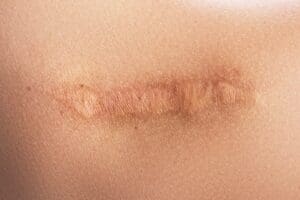
If a scar is affecting your confidence, comfort, or mobility, you don’t have to live with it forever. Scar revision surgery offers safe, effective ways to significantly improve its appearance, and partnering with the right surgeon ensures the best outcome.
If you’ve been frustrated with treatments that didn’t work, know that expert options exist right here in Richmond, VA. Dr. Stanwix can create a personalized scar revision treatment plan to finally help your scar fade into the background, where it belongs. Call us at 804-724-7244 to schedule a consultation today.