
Understanding MTF Surgery: Answers to Common Questions
If you’re considering MTF surgery, chances are you’re already overwhelmed with conflicting information, before-and-after photos, and terminology that isn’t always explained clearly. Many people exploring facial feminization or gender-affirming procedures have similar concerns. It can be hard to find straightforward answers without medical jargon or unrealistic promises. In this article, we answer the most common questions about MTF surgery so you can move forward with clarity and confidence.
What Does MTF Surgery Include?
MTF surgery is not a single procedure. It usually refers to a combination of facial feminization surgeries designed to soften and harmonize facial features. Depending on individual needs, it may include:
- Forehead contouring
- Brow bone reduction
- Rhinoplasty (nose reshaping)
- Jawline contouring
- Chin reshaping
- Tracheal shave (Adam’s apple reduction)
- Hairline advancement
Not every patient needs every procedure. The plan is always personalized based on facial structure and goals.

Do You Need to Do All Procedures at Once?
No, and this is one of the most common misconceptions. MTF surgery can be done in stages or as a single combined procedure, depending on:
- Your health and recovery capacity
- Surgical complexity
- Budget and timing
- Personal preference
Some patients prefer a staged approach to allow gradual healing and adjustment. Others choose a single comprehensive surgery to reduce total downtime.
How Long Does Recovery Take?
Recovery varies depending on how many procedures are performed, but there are general patterns. In the first 1–2 weeks, swelling and bruising are most noticeable. Many patients feel comfortable being in public again after 2–3 weeks, depending on the procedure.
However, subtle swelling can take several months to resolve fully. Final results are usually visible in 6–12 months, especially for bone-related procedures such as forehead or jaw contouring. Healing is gradual, not instant, and patience plays a big role in outcome satisfaction.
Will I Still Look Like Myself After Surgery?
This is one of the biggest emotional concerns patients have. The goal of MTF surgery is not to change who you are, but to adjust facial features so they align more closely with feminine characteristics. Most patients still recognize themselves after surgery, but with softer contours and more balanced proportions.
Is MTF Surgery Painful?
Most patients are surprised that pain is not the biggest issue; swelling and tightness are more noticeable. Discomfort is usually:
- Moderate in the first few days
- Managed with prescribed medication
- Gradually improving within a week
Bone work may feel more intense than soft tissue procedures, but overall recovery is generally well-tolerated when properly managed.
What Are the Risks of MTF Surgery?
Like any surgical procedure, MTF surgery carries risks, although serious complications are uncommon when performed by an experienced surgeon. Possible risks include:
- Swelling and bruising
- Temporary numbness
- Infection
- Asymmetry
- Scarring
- Delayed healing
Choosing a board-certified plastic surgeon with experience in facial bone and soft tissue work significantly reduces these risks.
How Do You Know If You’re a Good Candidate?
Good candidates for MTF surgery generally:
- Are in good overall health
- Have realistic expectations
- Understand recovery timelines
- Want facial changes aligned with gender identity
A consultation is essential because facial structure varies widely. What works for one person may not be appropriate for another. A detailed facial analysis is usually the first step before any surgical planning begins.
Can MTF Surgery Be Reversed?
No, most facial feminization procedures are permanent because they involve bone reshaping and structural changes. This is why planning is extremely important before surgery. However, revision procedures can sometimes refine or adjust results if needed. The focus is on careful initial planning to minimize the need for revisions.
How Much Does MTF Surgery Cost?
Cost varies widely depending on:
- Number of procedures performed
- Surgical complexity
- Whether surgery is staged or combined
- Geographic location
- Surgeon expertise
Every plan is individualized; there is no fixed price without consultation. Patients are usually given a detailed breakdown after evaluation.
Will Insurance Cover MTF Surgery?
Coverage depends on your insurance provider and documentation. Some plans may cover certain gender-affirming procedures, especially when medically indicated. However, coverage varies significantly and may require pre-authorization, psychological evaluation, or supporting documentation. It’s important to verify details with both your provider and insurance company early in the process.
How Do You Choose the Right Surgeon?
This decision is one of the most important parts of the journey. You should look for:
- Board certification in plastic surgery
- Experience in facial bone work
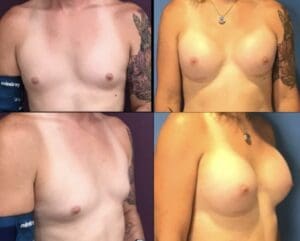
- A portfolio of consistent, natural-looking results
- Clear communication about risks and limitations
At Stanwix, facial feminization planning is approached with detailed anatomical analysis and individualized surgical design, focusing on natural harmony rather than exaggerated changes.
Book a personalized consultation today at Stanwix Plastic Surgery to get clarity about the best gender affirming techniques for your body, what results to expect, and how this surgery can help you achieve the confidence and alignment you deserve. Call us at 804-724-7244. We are located in Richmond, VA.