
How to Choose the Best FTM Top Surgery Technique for Your Body Type
For transgender men in Richmond, Charlottesville, and across Central Virginia, top surgery is one of the most empowering steps in gender affirmation. It helps align your physical appearance with your identity, allowing you to move through the world with comfort and confidence. But everybody is different, and so is every top surgery. Choosing the right FTM top surgery technique for your body type ensures results that look natural, heal well, and fit your vision of yourself. In this guide, we’ll break down the major techniques, how they differ, and what factors determine which one is right for you.
Significance of Choosing the Right Technique
The goal of FTM top surgery isn’t just removing breast tissue; it’s creating a masculine chest contour that looks balanced and natural for your frame. Each surgical method has unique advantages depending on your chest size, skin elasticity, and personal goals.
Choosing the right approach means your surgeon can:
- Minimize scarring
- Preserve nipple sensation when possible
- Achieve the most natural contour for your build
- Reduce the need for revisions later on
That’s why consultation and careful technique selection are key to long-term satisfaction.
The Most Common FTM Top Surgery Techniques
There are three main techniques used in FTM (Female-to-Male) or FTN (Female-to-Nonbinary) top surgery:
- Double Incision with Nipple Grafts
- Periareolar Donut Incision
- Keyhole Incision
Each offers unique benefits and is chosen based on chest size, skin quality, and desired results.
1. Double Incision Technique (With or Without Nipple Grafts)
It is best for medium to large chests or skin with less elasticity. The double incision, also called bilateral mastectomy, is the most common FTM top surgery technique. It involves two horizontal incisions across the lower chest, allowing precise removal of breast tissue and skin. The nipples are usually resized and repositioned using grafts for a natural, masculine placement.
Benefits:
- Ideal for larger chests or patients with stretched skin
- Allows full chest sculpting and contour definition
- Long-lasting, dramatic transformation
- Excellent control over nipple position and chest symmetry
Considerations:
- Leaves two visible scars across the lower chest (though they fade over time)
- May slightly reduce nipple sensation
For many patients, the double incision offers the most predictable and satisfying aesthetic outcome, especially for those seeking a firm, flat chest contour.
2. Periareolar (Donut) Technique
It is best for a small to medium chest size with good skin elasticity. The periareolar technique involves a circular incision around the areola and a second, larger circular incision in the surrounding skin. Breast tissue is removed, and the skin is tightened inward, much like a drawstring effect.
Benefits:
- Minimal scarring (hidden along the edge of the areola)
- Preserves nipple sensation in most cases
- Produces subtle, natural results for smaller chests
Considerations:
- Not ideal for significant sagging or excess skin
- May require follow-up tightening if skin doesn’t retract fully
This approach works best for those with smaller chests, tight skin, and a desire for minimal scarring.
3. Keyhole Technique
It is best for a very small chest and tight, elastic skin. The keyhole method uses a tiny incision at the edge of the areola. The surgeon removes breast tissue using liposuction and limited excision, without repositioning the nipples.
Benefits:
- Least invasive option
- Nearly invisible scars
- Fastest recovery time
Considerations:
- Only suitable for very small chests (A cup or smaller)
- No skin removal is possible. It relies on natural skin retraction
- Limited contouring precision compared to double incision
For the right patient, keyhole surgery delivers outstanding results with minimal downtime, but it’s important to have realistic expectations and ensure your anatomy fits the technique.
Factors That Influence Technique Selection
Every body is unique, but these key factors help determine which top surgery method will provide the best outcome:
1. Chest Size and Volume
Larger chests typically require the double-incision method for complete tissue and skin removal, whereas smaller chests may be suitable for periareolar or keyhole approaches.
2. Skin Elasticity
Skin that’s firm and resilient retracts better after surgery, allowing for smaller incisions and smoother contours. Looser skin usually benefits from excision techniques that remove excess tissue.
3. Nipple Size and Placement
Nipple resizing and repositioning are integral to achieving a masculine look. Double incision allows full control, while periareolar and keyhole rely on natural repositioning.
4. Desired Chest Aesthetics
Some patients prefer a completely flat chest; others want subtle definition that matches their frame. Discussing your desired look with your surgeon ensures the surgical design aligns with your goals.
5. Scarring and Sensation Priorities
If minimal scarring or preservation of sensation is most important to you, your surgeon can prioritize those goals when recommending a method.
Recovery and Healing Differences
All top surgery techniques require downtime, but recovery speed varies:
Double Incision: 2–3 weeks for light activity; full recovery around 6 weeks.
Periareolar: 1–2 weeks for light activity; full healing within 4–5 weeks.
Keyhole: 1 week for most light activities; full recovery in 3–4 weeks.
Regardless of the technique, following post-op instructions, such as wearing compression garments, avoiding strain, and keeping incisions clean, is essential for optimal results.
Setting Realistic Expectations
Each technique comes with trade-offs. Some patients prioritize the most masculine contour possible, while others prefer less scarring or shorter recovery. The best surgery is the one that balances your anatomy, aesthetic goals, and comfort level.
Dr. Stanwix takes time to understand each patient’s identity, vision, and physical structure before recommending a personalized surgical plan. This ensures that the final result feels authentic and empowering, not just physically, but emotionally.
Why Experience Matters
Choosing a surgeon with advanced training in gender-affirming procedures makes all the difference. Precision chest contouring, nipple symmetry, and scar placement require both technical expertise and an understanding of gender expression.
In Richmond, Dr. Matthew G. Stanwix, Ivy League–educated and Johns Hopkins–trained, brings years of experience performing FTM and non-binary top surgeries with artistry and compassion. His patient-first approach ensures natural, safe, and confidence-boosting outcomes tailored to each individual.
Final Thoughts
Choosing the right FTM top surgery technique is about aligning your physical goals with your anatomy and sense of self. Each approach, double incision, periareolar, or keyhole, offers unique benefits, and with the guidance of an experienced, compassionate surgeon, you can achieve results that feel authentic to you.
If you’re ready to explore your options for FTM top surgery in Richmond, VA, contact Stanwix Plastic Surgery to schedule a private consultation. Dr. Stanwix will help you determine the best technique for your body type and design a plan that supports your comfort, confidence, and identity. Call us at 804-724-7244. We are located in Richmond, VA.
FAQs
What is the most common FTM top surgery technique?
The double incision technique is the most common and effective for medium to large chests, providing excellent contour and symmetry.
Which top surgery has the least scarring?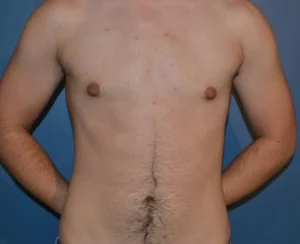
The keyhole method leaves minimal scarring, but it’s only suitable for very small chests with tight skin.
Can I choose my nipple size and placement?
Yes. In most cases, your surgeon will customize nipple size and position for a masculine appearance proportional to your body.
How long do results last after FTM top surgery?
Results are permanent, though maintaining a stable weight and good skin health supports long-term contour and appearance.