
What to Know Before and After Gynecomastia Surgery in Richmond
Many men feel self-conscious about wearing fitted shirts, going to the beach, or taking their shirt off at the gym because of an enlarged chest. Some even avoid certain social situations altogether. The good news is that gynecomastia surgery can provide a lasting solution when enlarged male breasts are caused by excess glandular tissue, stubborn fat, or a combination of both. In this guide, we’ll explain what happens before, during, and after gynecomastia surgery so you know exactly what to expect if you’re considering treatment in Richmond.
What is Gynecomastia?
Gynecomastia is the enlargement of male breast tissue caused by an imbalance between estrogen and testosterone. While it’s often associated with puberty, it can affect men at almost any age. Some men develop gynecomastia during their teenage years and see it disappear naturally. Others continue to have enlarged breast tissue well into adulthood.
Hormonal changes, certain medications, weight fluctuations, genetics, and some medical conditions can all contribute to the condition. It’s important to understand that gynecomastia is different from excess chest fat caused by weight gain. While losing weight may improve chest fullness in some men, true gynecomastia involving glandular tissue usually requires surgery for significant improvement.
Your consultation: The first step toward treatment
The consultation is about much more than deciding whether surgery is appropriate. It’s an opportunity to understand what’s causing your enlarged chest and determine the best treatment plan. During your consultation, Dr. Stanwix will discuss:
- Your medical history
- Current medications
- Weight changes
- Previous surgeries
- Your aesthetic concerns and goals
- Whether excess tissue is primarily fat, gland, or both
He’ll also explain what results you can realistically expect and answer any questions you have about recovery, scarring, and long-term outcomes.
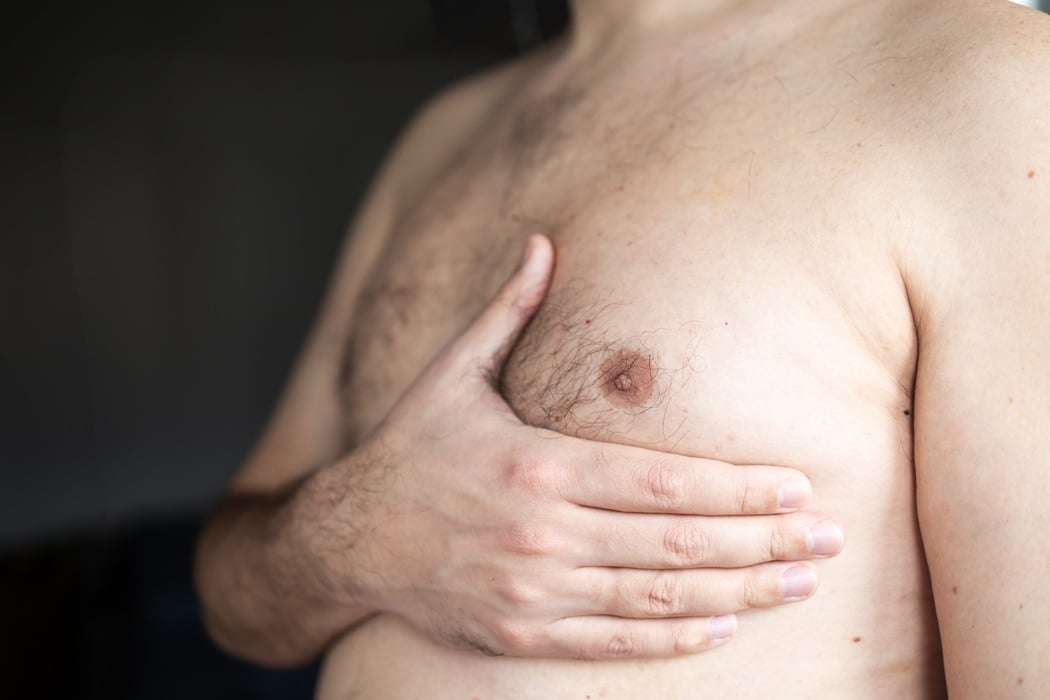
Understanding Gynecomastia Surgery
Every patient is different, so the surgical technique depends on the amount and type of excess tissue. If the chest enlargement is primarily caused by fatty tissue, liposuction alone may be enough to create a flatter, more masculine contour. When dense glandular tissue is present, a small incision, usually around the edge of the areola, allows the tissue to be carefully removed.
In many cases, liposuction and direct gland excision are combined to create smoother, more natural-looking results. For patients with significant skin laxity after major weight loss, excess skin may also need to be removed. The goal isn’t simply to make the chest smaller. It’s to create a balanced chest contour that looks natural from every angle.
The Day of Surgery
Gynecomastia surgery is typically performed as an outpatient procedure, meaning you’ll return home the same day. After anesthesia is administered, Dr. Stanwix performs the planned procedure using techniques tailored to your anatomy. Once surgery is complete, a compression garment is placed around your chest to minimize swelling and support healing.
Before you’re discharged, you’ll receive detailed instructions covering medications, activity restrictions, incision care, and follow-up appointments.
What to Expect after Gynecomastia Surgery
Recovery is usually easier than many patients expect, although some soreness, swelling, and bruising are completely normal during the first week. Most patients can return to desk work within several days, depending on the nature of their job. More strenuous exercise, heavy lifting, and upper-body workouts typically need to wait several weeks until healing is further along.
Wearing the compression garment exactly as instructed is one of the most important parts of recovery. It helps reduce swelling, supports the new chest contour, and encourages optimal healing. As swelling resolves gradually, your final results become more noticeable over the following months.
Before and After: When Will You See Results?
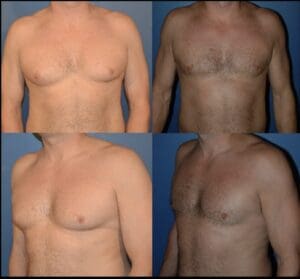
Many men notice an immediate improvement in chest contour, even with post-operative swelling. However, it’s important to be patient. The first few weeks involve swelling that gradually decreases. Over the next several months, the chest continues to settle, and scars become less noticeable as they mature.
Most patients find that clothing fits better, posture improves, and they feel much more confident participating in activities they once avoided. The emotional transformation can be just as rewarding as the physical one.
Whether you’ve struggled with enlarged breast tissue since your teenage years or developed it later in life, gynecomastia surgery can provide lasting improvement when performed by an experienced plastic surgeon.
If you’re considering male breast reduction or gynecomastia surgery in Richmond, VA, schedule a consultation with Stanwix Plastic Surgery to discuss ways to discuss your options and support lifelong wellness.
FAQs
Will gynecomastia come back?
In most cases, the removed glandular tissue does not grow back. However, significant weight gain, anabolic steroid use, hormone imbalances, or certain medications can contribute to new chest enlargement over time.
Is gynecomastia surgery painful?
Most patients describe the recovery as soreness or tightness rather than severe pain. Prescription medication may be recommended during the first few days, after which many patients transition to over-the-counter pain relief as advised by their surgeon.
Will there be visible scars?
Incisions are typically placed around the edge of the areola or in discreet locations whenever possible. While every surgical incision leaves a scar, it generally fades over time and becomes much less noticeable with proper healing.
How long do the results last?
The results are considered long-lasting when patients maintain a stable weight and avoid factors that may contribute to recurrent breast enlargement, such as anabolic steroids or untreated hormonal conditions.
Can exercise get rid of gynecomastia?
Exercise can strengthen the chest muscles and reduce overall body fat, but it cannot remove enlarged glandular breast tissue. If glandular tissue is the primary cause, surgery is usually the most effective treatment.